

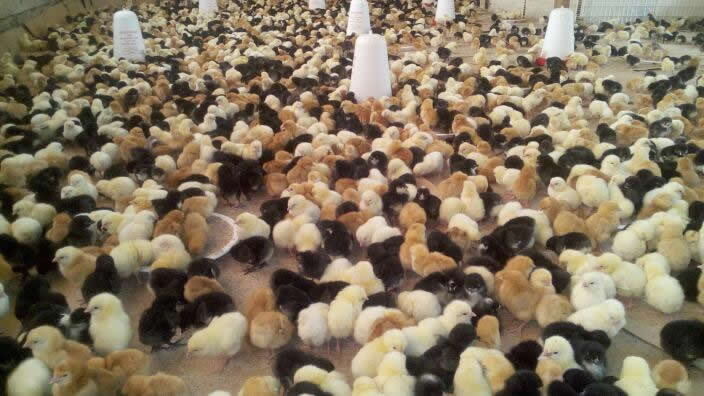
Brooding Kienyeji Chicks: A Guide for Smallholder Farmers
Brooding refers to the period when chicks are provided with supplementary heat and care until they are capable of regulating their body temperature. The brooding process typically lasts between 4-6 weeks, depending on the environmental conditions and chick development.
Key Elements of Successful Brooding
- Brooder Setup
- Brooding Space: Provide adequate space to avoid overcrowding. For the first week, about 30-35 chicks per square meter is recommended. Gradually reduce the density as they grow.
- Brooder Guard: Set up a circular brooder guard to keep the chicks close to the heat source and prevent them from moving too far and getting cold.
- Litter Material: Use dry, absorbent material such as wood shavings, rice husks, or straw for bedding. Maintain a litter depth of 2-3 inches to keep the floor dry and warm.
- Ventilation: Ensure proper airflow without creating drafts. Good ventilation helps to remove excess moisture and ammonia from chick droppings.
- Temperature Management
- Chicks require supplemental heat until they can regulate their body temperature. The recommended brooding temperatures are:
- 1st Week: 32-35°C (90-95°F)
- 2nd Week: 29-32°C (85-90°F)
- 3rd Week: 26-29°C (80-85°F)
- Reduce the temperature by 2-3°C (5°F) each week until it reaches ambient temperature.
- Heat Sources: Common sources include electric lamps, infrared bulbs, or charcoal stoves. Place the heat source at the center of the brooder and monitor chick behavior to ensure even heat distribution.
- Chicks require supplemental heat until they can regulate their body temperature. The recommended brooding temperatures are:
- Lighting
- For the first week, provide 24-hour lighting to encourage feeding and drinking. From the second week onwards, reduce the lighting to 16-18 hours per day to encourage proper rest.
- Feed and Water Management
- Water: Provide clean, fresh water at all times. Add electrolytes or vitamins to the water in the first few days to boost chick health.
- Feed: Offer starter mash or crumbles containing 18-22% protein. Place feed in shallow trays or feeders to ensure easy access for the chicks.
- Feeder and Drinker Placement: Position feeders and drinkers away from the heat source to avoid contamination and spillage.
- Health Management
- Vaccination: Vaccinate chicks against common diseases like Newcastle disease and Infectious Bursal Disease (Gumboro) according to a recommended schedule.
- Observing Behavior: Monitor chick behavior for signs of distress.
- Huddling together: They are cold and need more heat.
- Spreading away from the heat source: They are too hot.
- Evenly distributed: The temperature is just right.
- Biosecurity
- Limit access to the brooding area to essential personnel only.
- Disinfect equipment, feeders, and drinkers regularly.
- Keep the brooding area clean and free from external contaminants, pests, and wild birds.
Common Brooding Challenges
- Cold Stress: Chicks may suffer from cold stress if temperatures drop too low, leading to huddling, slowed growth, and susceptibility to diseases.
- Overheating: Excessive heat can cause chicks to pant, spread out, and avoid the heat source. Overheating can lead to dehydration and mortality.
- Poor Litter Management: Wet or compacted litter can harbor bacteria and fungi, increasing the risk of diseases such as coccidiosis.
- Nutritional Deficiencies: Providing inappropriate feed or poor water quality can affect chick growth and development.
Conclusion
Proper brooding practices are essential for ensuring healthy Kienyeji chicks that grow into productive adult birds. By focusing on temperature control, proper feeding, clean water, and biosecurity measures, smallholder farmers can significantly improve survival rates and overall poultry health during this critical phase.
